
Condition
How we grade, check and pack
Japanese dealers are trusted abroad because the grades mean something. This page sets out exactly what each grade means, what we test on every item, and where your camera has been living before it reaches you.
The grades
Thirteen grades, best first. The grade is always at the front of the item title and repeated at the top of the description. These are the same grades we use on eBay, so an item reads identically in both places. Where a grade has a short form and a long form, both mean exactly the same thing.
A grade describes the whole item, not just the best part of it. Where the body and the optics differ, we say so in the description rather than rounding the grade up. If a photograph and a word ever seem to disagree, trust the photograph and then ask us — we will tell you which is right.
What we check on every item
- ShutterFired and listened through the speed range, including the slow speeds where old cameras usually fail first.
- Light meterChecked for response and for a sensible reading. Where a meter is dead or erratic, we say so.
- ApertureBlades checked for oil, for sticking, and for a clean snap at every stop.
- Film transport and sealsAdvance, rewind, frame counter, back catch, and the state of the light seals.
- Optics, against a lightHaze, fungus, balsam separation, scratches, dust and coating marks — each reported separately, not summarised into one word.
- The viewfinder is graded apart from the lensThis matters. A clean lens does not mean a clean finder, and a finder with separation in it is not a clean camera. We never let a good lens cover for a poor finder.
- Included itemsCaps, hoods, cases, straps, backs and boxes are listed individually. Everything visible in the photographs is included.
We write down the faults too. A description that only lists good news is worth nothing to you. If something lowers the value, it is in the listing and in the photographs, and it is why the price is what it is.
Where your camera has been
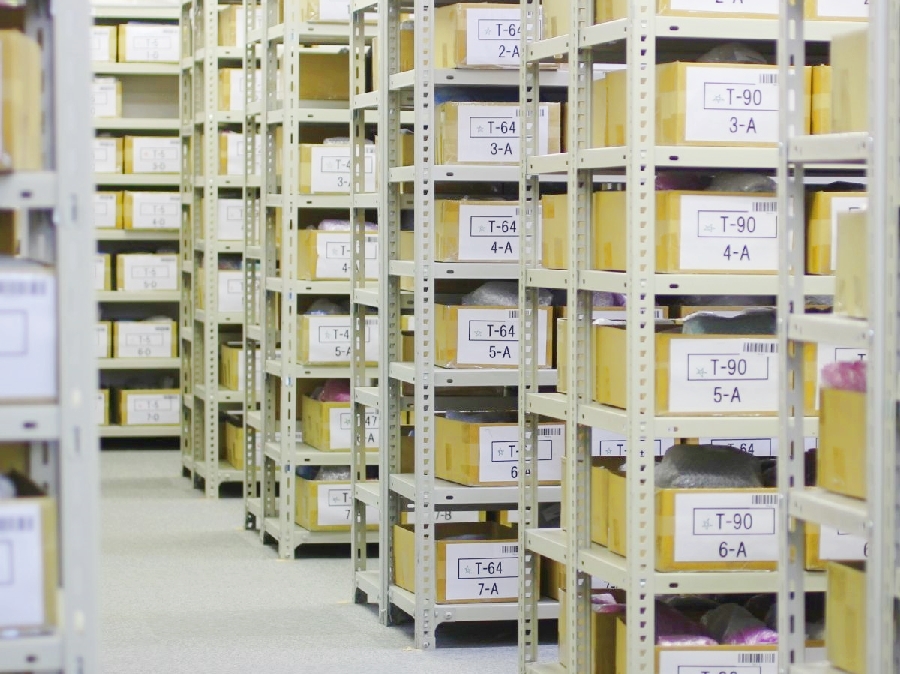
Film cameras do not fail because they are old. They fail because they were left somewhere warm and damp with the lens pointing at a window. Fungus and haze are humidity problems, and Japan is a humid country.
So our stock does not sit in a room at the back of a shop. It is held in a warehouse where temperature and humidity are controlled around the clock, all year. Each item has its own barcoded location on the shelf, which is also why we can tell you exactly what you are buying — there is only ever one of each.
How it is packed
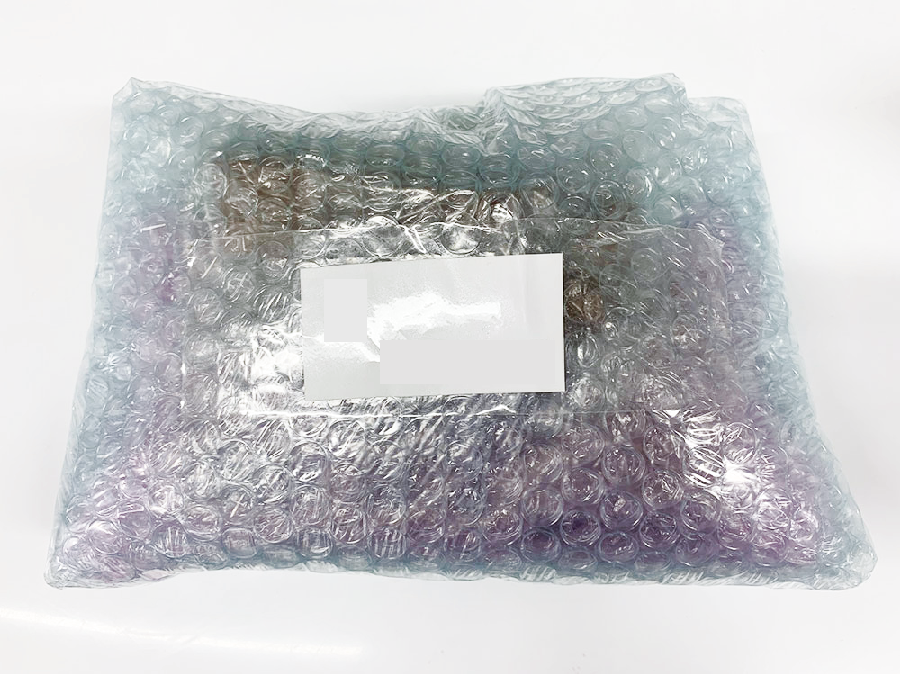
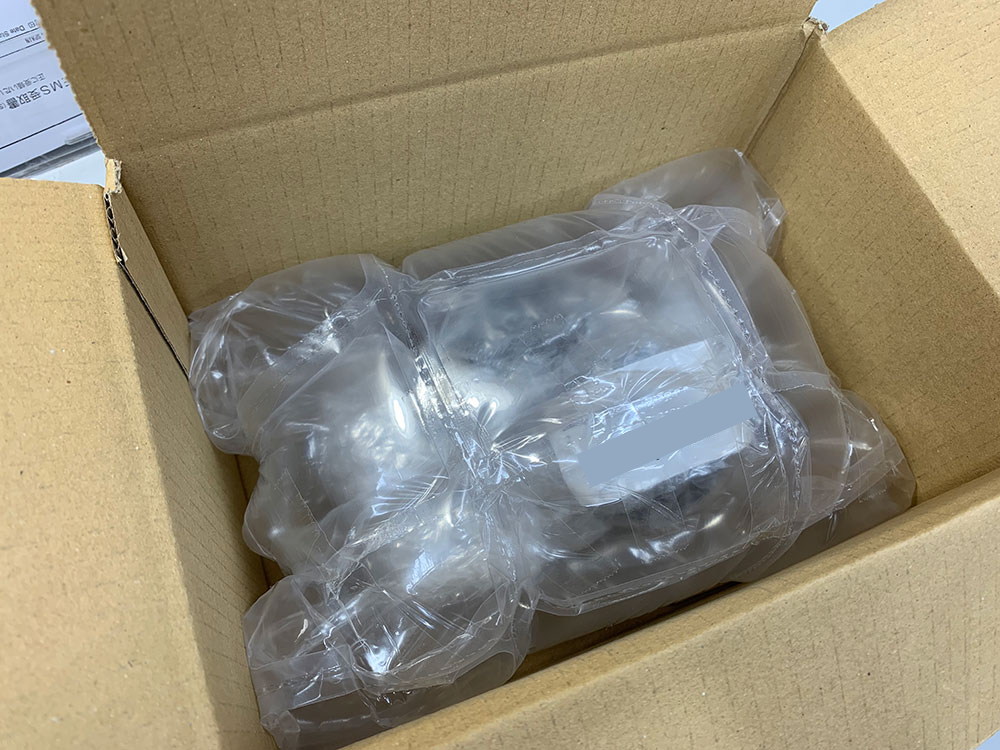
A camera that survives fifty years and then arrives with a bent rewind crank has been failed at the last step. Thirteen different cushioning materials are kept on hand, and the one used is chosen for the weight and the shape of the item, so that heavy bodies are held still and light accessories are not crushed.
Cameras are double boxed. Lenses, finders and loose accessories are wrapped and cushioned separately, so that nothing can move against anything else in transit. Every parcel is tracked and insured, and if it arrives damaged we deal with the carrier ourselves rather than sending you to them.
Who handles our stock
Photography, storage, packing and dispatch are handled for us by ONE ROCK Co., Ltd., a fulfilment company in Nagoya, Japan that specialises in cameras.
We tell you this because it is the reason three things are true. The photographs are consistent from one listing to the next, because they are taken in the same place with the same lighting. Orders leave within one business day, because there is a warehouse team working on weekdays rather than one person fitting it around everything else. And the storage conditions above are real facilities, not a description of a cupboard.
What we do not hand over is the judgement. Buying, inspecting, grading and writing the descriptions are ours. When a listing says the shutter is accurate at 1/8 or that there is faint haze in the rear element, that is our assessment, and our name on it.
Please do not send returns to the warehouse. Returns must go back using the prepaid label we send you. A parcel sent to any other address, including one you may find on a package, cannot be received or refunded. See the return policy
Still not sure?
If you want another photograph of a particular part, a closer look through the viewfinder, or an honest answer to “would you shoot with this one?” — just ask. We would far rather answer a question before you buy than settle a problem afterwards.